The Cornerstone of Academic Integrity: Understanding APA Style for Your Citas Bibliográficas
Embarking on any academic journey, whether it's crafting a research paper, a thesis, or a simple essay, inevitably leads to the critical task of referencing. Among the various styles, the American Psychological Association (APA) style stands as one of the most widely adopted frameworks, particularly within the social sciences, education, and psychology. Mastering APA is not merely about following a set of rigid rules; it's about upholding academic integrity, giving due credit to original authors, and providing readers with a clear roadmap to your sources. This guide aims to demystify APA citation examples, making the process of creating accurate Citas Bibliográficas (bibliographic citations) straightforward and stress-free.
For those new to academic writing, the term "Citas Bibliográficas" might sound intimidating. Simply put, it refers to the detailed information about a source (like a book, article, or website) that allows your readers to locate it themselves. In APA style, these citations appear in two main forms: brief in-text citations within your paper's body and a comprehensive list of all referenced sources, known as the "References" section, at the end. Ignoring this fundamental step can lead to plagiarism, a serious academic offense. To truly elevate your academic output, understanding the nuances of proper University Essays: The Importance of Proper Citations cannot be overstated.
Mastering Common APA Citation Examples (Citas Bibliográficas)
The beauty of APA style lies in its consistency. Once you grasp the basic pattern – typically Author, Date, Title, Source – you can apply it to almost any type of material. Below, we'll explore practical examples for the most common types of sources you'll encounter in your research, demonstrating how to construct precise Citas Bibliográficas for your reference list.
Books
Books are a staple of academic research. Citing them correctly is fundamental.
- Print Book with One Author:
Author, A. A. (Year). Title of work. Publisher.
Example: Smith, J. (2018). The psychology of decision-making. Oxford University Press.
In-text: (Smith, 2018)
- Ebook (from a database or website without a DOI):
Author, A. A. (Year). Title of work. Publisher. URL
Example: Johnson, L. M. (2015). Digital transformation in education. Routledge. https://www.routledge.com/books/details/9781315750278
In-text: (Johnson, 2015)
- Chapter in an Edited Book:
Author, A. A. (Year). Title of chapter. In E. E. Editor (Ed.), Title of edited book (pp. pages). Publisher.
Example: Davis, C. (2020). The impact of social media on youth. In R. Brown & S. Miller (Eds.), Modern challenges in adolescent psychology (pp. 45-62). McGraw-Hill.
In-text: (Davis, 2020)
Journal Articles
Peer-reviewed journal articles are crucial for current and authoritative research. Pay close attention to DOIs (Digital Object Identifiers), which provide a persistent link to the article.
- Journal Article with DOI:
Author, A. A. (Year). Title of article. Title of Periodical, volume(issue), pages. DOI
Example: Chen, X., & Li, Y. (2019). The role of emotional intelligence in leadership effectiveness. Journal of Applied Psychology, 104(5), 600-615. https://doi.org/10.1037/apl0000388
In-text: (Chen & Li, 2019)
- Journal Article without DOI (from a database without a direct URL):
Author, A. A. (Year). Title of article. Title of Periodical, volume(issue), pages.
Example: Garcia, M. (2017). Educational reforms and student outcomes. Educational Review, 69(3), 321-335.
In-text: (Garcia, 2017)
Websites and Online Materials
Citing web sources requires careful attention to the availability of an author, date, and site name.
- Webpage with Author and Date:
Author, A. A. (Year, Month Day). Title of work. Site name. URL
Example: Rodriguez, E. (2022, April 15). Understanding cognitive biases in daily life. Psychology Today. https://www.psychologytoday.com/us/blog/understanding-cognitive-biases
In-text: (Rodriguez, 2022)
- Webpage with Organization as Author, No Specific Date (use n.d. for no date):
Organization Name. (n.d.). Title of page. URL
Example: American Psychological Association. (n.d.). About APA style. https://apastyle.apa.org/about-apa-style
In-text: (American Psychological Association, n.d.)
- Online Video (e.g., YouTube):
Author, A. A. [Username]. (Year, Month Day). Title of video [Video]. YouTube. URL
Example: TED. (2017, June 27). How to make stress your friend | Kelly McGonigal [Video]. YouTube. https://www.youtube.com/watch?v=RcGyVTAoXEU
In-text: (TED, 2017)
Practical Tips for Flawless Citas Bibliográficas
Beyond memorizing specific formats, developing good citation habits will save you countless hours and ensure accuracy. Here are some actionable tips for creating impeccable Citas Bibliográficas:
- Start Early and Stay Organized: Don't wait until the last minute to compile your references. As you research, immediately save citation information. Use tools like Zotero, Mendeley, or EndNote to manage your sources. These tools can automatically generate citations in APA style, significantly reducing manual errors.
- Be Consistent: The golden rule of APA is consistency. Ensure every reference list entry follows the same formatting, punctuation, and ordering. Even minor deviations can detract from the professionalism of your work.
- Double-Check Every Detail: Pay meticulous attention to spelling of authors' names, publication dates, titles, and volume/issue numbers. A single typo can make a source difficult for your reader to locate. Cross-reference your reference list entries with the original sources if possible.
- Understand the "Why": Knowing the purpose behind each element in an APA citation (e.g., why the title is italicized, why a DOI is included) helps you remember the rules and apply them logically, even to less common source types.
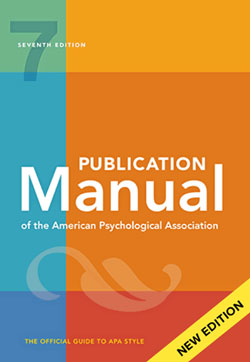
- Leverage Official Resources: The official APA Style website (apastyle.apa.org) and the APA Publication Manual (7th edition) are your ultimate authorities. When in doubt, consult these resources directly.
- Consider Citation Generators (with caution): While online citation generators can be helpful for a first pass, always review their output against the official APA guidelines. They are prone to errors, especially with complex source types or incomplete information.
Navigating the Nuances: Beyond the Basics
While the examples above cover the most frequent scenarios, academic research often throws curveballs. You might encounter sources with multiple authors, no authors, corporate authors, or sources with no discernible publication date. The APA manual provides detailed guidance for these situations. For example, when there's no author, you typically move the title to the author position. If there's no date, use "(n.d.)" for "no date."
The key is to adapt the core APA principles—providing enough information for retrieval and respecting intellectual property—to unique circumstances. This adaptability is part of what makes Mastering Bibliographic Citations: An Essential Guide so valuable. It's about developing a critical eye and understanding the structure rather than blindly following rules. Remember, the goal of your Citas Bibliográficas is to serve as a clear, precise, and easily navigable index of your scholarly influences.
Conclusion
Creating accurate APA Citas Bibliográficas is an indispensable skill for any student or researcher. It's a testament to your diligent research, your respect for intellectual property, and your commitment to academic rigor. By understanding the common citation examples, adopting practical organization tips, and consulting official resources, you can simplify your academic writing process and ensure your work stands on a foundation of integrity and credibility. Embrace the opportunity to master APA style; it's an investment that will pay dividends throughout your academic and professional career.